Smaller Homes, Bigger Opportunities: The Homebuilder Trend Buyers Love

Smaller Homes, Bigger Opportunities: The Homebuilder Trend Buyers Love
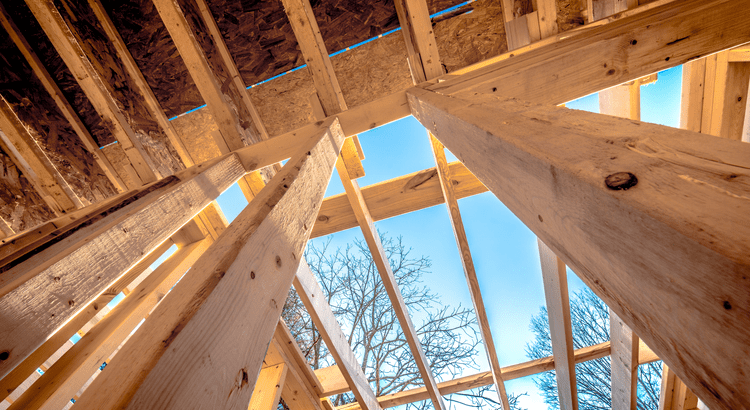
It’s no secret that affordability is tough with where mortgage rates and home prices are right now. And that may have you worried about how you’ll be able to buy a home. But, if you don’t need a ton of space, you may find you have more cost-effective options in an unexpected place: new home communities.

Builders Are Building Smaller Homes 

Since smaller homes typically come with smaller price tags, buyers have turned their attention to homes with less square footage — and builders have shifted their focus to capitalize on that demand. As U.S. News notes:

“The combination of higher home prices and mortgage rates has strained a lot of people’s budgets. And that’s something builders recognize. To this end, they may be leaning toward smaller spaces . . .That, in turn, can lead to savings for buyers.”

Data from the Census shows the overall builder trend toward smaller, single-family homes has been over the last couple of years (see graph below):
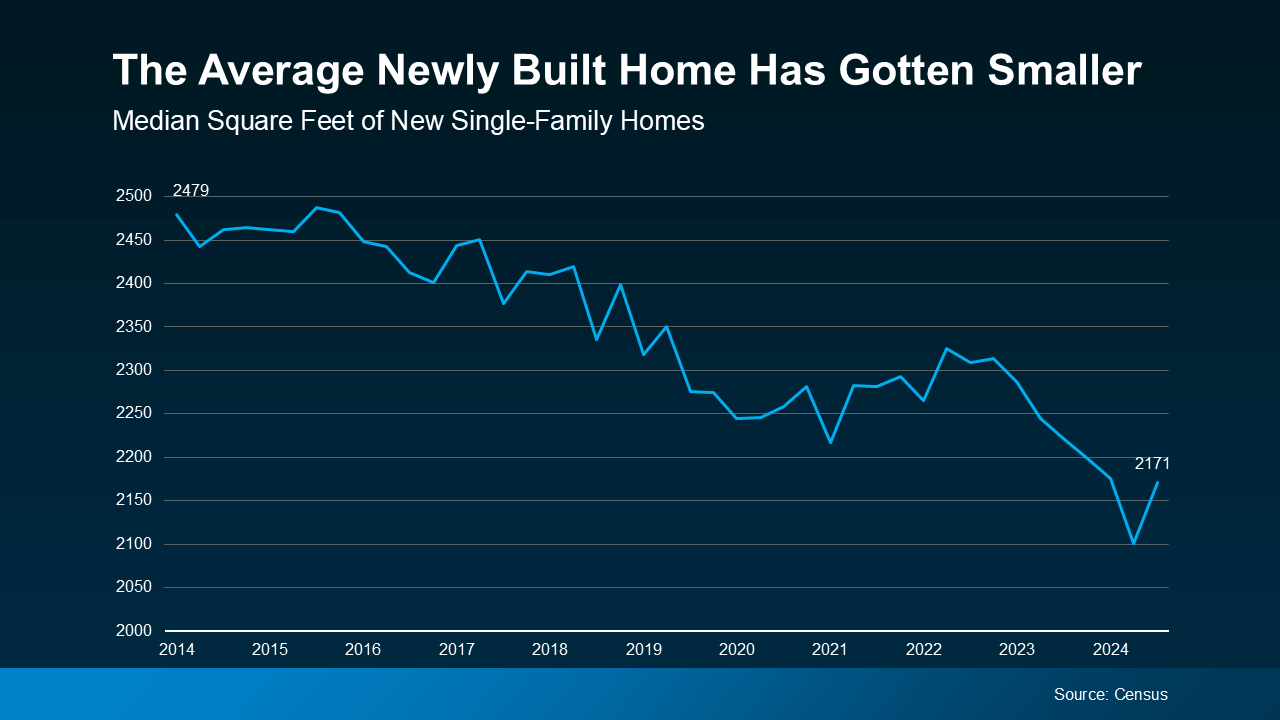
a graph with a line going upAs the graph shows, the average size of a brand-new home has dropped from 2,309 square feet in Q3 2022 to 2,171 square feet in Q3 2024. That’s a difference of 138 square feet.

At the end of the day, builders want to build what they know will sell. And the number one thing homebuyers are looking for right now is less expensive options to help offset today’s affordability challenges. As Multi-Housing News notes:

“The growing trend toward smaller homes is evident. These homes are less expensive to build and more attainable for many middle-income families, meeting both housing needs and modern lifestyle preferences.”

The Benefits of These Brand-New Homes

So, if you’re having trouble finding a home in your budget, it might be worth exploring newly built homes with a smaller footprint.

Not to mention, since newly built homes come with brand new everything, they have fewer maintenance needs and some of the latest features available, like energy-efficient appliances and HVAC. That’ll help you save on repair costs and your monthly utility bills. Sounds like an all-around win.

Bottom Line

Today’s builders are focusing their efforts on smaller homes at lower price points. That could give you more opportunity to find something that fits your budget. If you’re planning to buy soon, let’s connect to explore what’s on the market in your area and get your homeownership goals over the finish line.


If Your Home Pricing is Not Compelling, It’s Not Selling

If Your Home Pricing Is Not Compelling, It’s Not Selling

There’s one big mistake you need to avoid when you sell your house this year: setting home pricing too high. It might seem like overpricing gives you room to negotiate or could really boost your profit, but the reality is, it usually backfires.

In fact, Realtor.com says almost 20% of sellers — that’s one in five — have to reduce their price to get their house sold. And you don’t want to be one of them. Here’s why starting too high can lead to trouble, and how to avoid it.

Overpricing Pushes Buyers Away

With mortgage rates and home prices where they are right now, buyers are already stretching their budgets to make a move. So, when they see a house that’s priced too high, they’re not thinking, “I can negotiate.” They’re more likely to think, “next” and skip over your house entirely. An article from the National Association of Realtors (NAR) explains:

“Some sellers are pricing their homes higher than ever just because they can, but this may drive away serious buyers . . .”

And if they skip over your listing, you’ll miss out on the chance to get them through the door. That’s the last thing you want because fewer showings mean fewer chances to receive an offer.

The Longer Your House Sits, the More Skeptical Buyers Will Get

Here’s the other issue. An overpriced house tends to sit on the market longer. And the longer a house lingers, the more buyers start to wonder what’s wrong with it. Is there a problem with the house itself? Are you difficult to work with? Even if the only issue is the price, that extra time creates doubt. As U.S. News says:

“. . . setting an unrealistically high price with the idea that you can come down later doesn’t work in real estate . . . A home that’s overpriced in the beginning tends to stay on the market longer, even after the price is cut, because buyers think there must be something wrong with it.”

At that point, you’ll have no choice but to lower your price to drum up interest. But that price reduction comes with its own downside: buyers may see it as another red flag, that there’s an issue with the house.

The Key To Finding the Right Price for Your House

So, what’s the secret to avoiding all these headaches? It’s simple. Work with a local real estate agent who knows the market inside and out, and who’s going to be honest with you about how your home pricing.

You don’t want to partner with someone who just agrees to whatever number you throw out there. That’s not an expert who’s going to get you the best results.

You want an agent who recommends a price based on their expertise. The right agent will use real-time data from your local market to help you land on a price that makes sense — one that grabs attention, attracts buyers, and still helps you walk away with a great return. Someone who has been there and done that – and done it well. That’s the agent you want to work with.

Bottom Line

Remember, if the price isn’t compelling, it’s not selling. Instead of shooting too high and scaring off buyers, work with a local agent who knows how to price it right.

Let’s team up and make sure your house hits the market with the right price, gets noticed, and gets sold.

Simple Steps To Help You Save for Your First Home

Simple Steps To Help You Save for Your First Home

Turning a dream into reality starts with one thing: a plan. And if buying your first home is on your list of goals, now’s the perfect time to put a plan in motion to help you save.

And the best part? Reaching your savings goal doesn’t mean making huge sacrifices overnight – small, consistent steps can get you there over time. Here are a few strategies that can help speed up the process.

Step 1: Build a Budget That Works for You

Knowing where your money’s going is the first step to saving more of it. Take some time to track the money you’ve got coming in and going out. This helps you spot areas where you’re spending more than you realize. It also helps to give yourself some guidelines on what you want to spend for groceries, gas, and more – try to stick to whatever caps you put on each spending category.

Step 2: Cut Down on Any Extras (It Adds Up)

Once you’ve got a clear budget, it’s time to tighten up. Look for areas where you can cut down your costs – like services you don’t really need – or ways you can reduce recurring expenses and put that money in your house fund instead. Every dollar you save now brings you closer to your future house. As Bankrate says:

If you’re saving for a house, cutting back on your spending can help. Start with cutting unnecessary expenses, like subscription services, entertainment, delivery services or eating out. If possible, negotiate down recurring monthly or annual expenses, such as getting a better car insurance rate or reducing an internet bill . . . .”

Step 3: Automate Your Savings

Consistency is the real game-changer. If you have to transfer money manually, you may forget to do it. That’s why setting up automatic transfers to a dedicated savings account makes it easier to save regularly. Even apps that round up purchases to the nearest dollar and save the difference can help you build momentum without effort. As an article from Forbes explains:

Automating your savings helps to keep your progress toward your goal consistent. Set up automatic transfers from your checking account to a dedicated savings account. This will help you prioritize saving and minimize the chances of spending your money on other things.”

Step Four: Put Any Extra Money To Work

Got a tax refund, work bonus, or a cash gift? Don’t fall into the temptation to spend it on something you don’t actually need. Use those unexpected boosts to make big strides toward your savings goal. Treating this extra cash as an opportunity, not just a nice surprise, will help you get there faster.

Bottom Line

Saving for your first house isn’t about perfection – it’s about progress. A solid plan, a little discipline, and a clear goal will take you further than you think. If you’re ready to make homeownership happen, let’s connect. We’ll map out the next steps together to get you closer to the keys to your first home.


Richard Iarossi, REALTOR®
Coldwell Banker Realty
1300 Main Chapel Way
Gambrills, MD 21054
443-995-9595 Cell
410-721-0103 Office
richsellshomes.com
rich@richsellshomes.com